Bacteria-based therapeutics for grade 3‑4 IDH‑mutant astrocytoma.
Morca Bio is building next-gen treatments for a persistant and life-shortening brain cance. Using a combination of bacterial delivery, specific metabolic sensing, and immunotherapy, we aim to reach and defeat the tumor the way no current treatment can.

The young-people's-cancer that always comes back.
IDH-mutant astrocytoma typically strikes people in their 30s and 40s. Surgery, radiation, chemotherapy and IDH suppressants buy time, but the tumor infiltrates centimeters into normal-looking brain - and it always recurs at that margin. When it gets to grade 3–4 the problem gets even harder
A living therapy for a living disease.
A tumor is a moving, adapting, invading thing - so the therapy should be too. In the simplest terms, this is a germ turned against a cancer: an engineered organism that colonizes the tumor, senses where it is, persists there, and keeps fighting - reaching and reading the disease in ways a fixed dose of drug never can.
We're engineering bacteria to read the tumor's own chemistry — its metabolites and its low oxygen — thrive where the tumor marks itself and fall silent everywhere else.
A drug is one dose that washes out; a living bacterium is a factory that keeps manufacturing its payload in place, for as long as the tumor sustains it.
Bacteria is a Swiss-army platform: the same living chassis can ignite an immune response, colonize and destroy tumor tissue directly, or carry payloads that combine with other therapies. Our two current programs are two expressions of that one advantage.
Introducing D-2-HG
IDH-mutant tumors produce an oncometabolite that's specific to the tumor. Our bacterial therapeutics lever that specificity in three ways:
Target
D-2-HG marks the tumor. It's used to direct the therapy to where the tumor is - and nowhere else.
Thrive<>Die mechanism
The therapy is built to thrive on D-2-HG and fall back to a basal state without it - a built-in safety leash that keeps it contained to the tumor.
Lift the brake
D-2-HG is also one of the tumor's immunosuppressors. Neutralizing it locally, right where the response is ignited, lifts one of the brakes on the immune system's own attack.
We run our own programs — and back others'.
This disease is badly under-resourced and moving too slowly. Morca Bio's answer is to work as a hub — running our own programs and supporting, partnering with, and sharing findings with anyone pushing grade 3–4 forward: academic labs, CROs, and other ventures.
We're committed — to this disease, and to engineered bacteria as the way in. What's flexible isn't the science; it's how we get there, together.
So we collaborate by default. Rather than guard a walled garden, we'd rather move good work forward wherever it lives — any program whose success advances grade 3–4 is one we want to help, ours or not.
Who's behind it.
A small team building something that shouldn't exist yet — a scientific founder, a venture builder, and the clinician who runs the trials this program is designed to reach.

Tzvika Besor
Founder
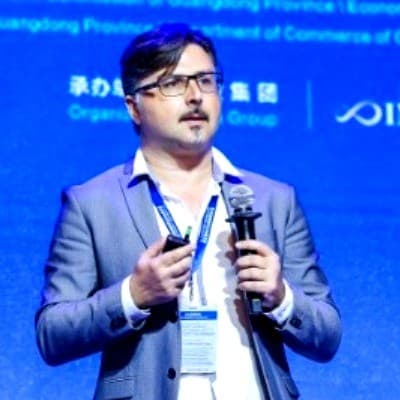
Roman Lasker
Chairperson
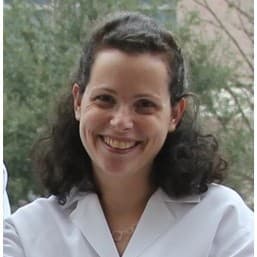
Dr. Shlomit Yust-Katz
Clinical Principal Investigator
The work, recorded as it happens.
For an early-stage program, credibility is the record itself. Every experiment is named before it runs; every result is logged — the findings that worked and the criteria that would have killed the idea.
Peer-reviewed publications, preprints, and patents will be listed here as they land.
Read the journalLiving with this, treating it, studying it, or backing it?
morca.bio is run in the open. However you come to it, here's how to engage — and what you can honestly expect from us.
Get involved